 Watch Now
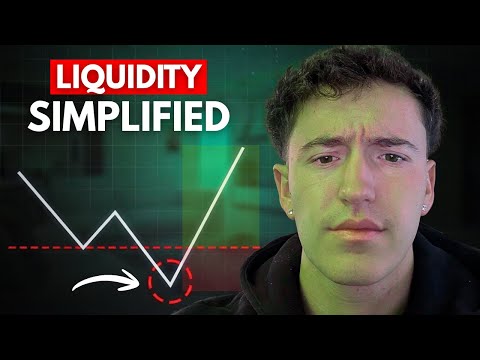
The Only Liquidity Trading Video You'll Ever Need
The single most important concept in this style of trading. What liquidity is, where it sits on the chart, and why price hunts it before every real move. Internal range, external range, sellside, buyside — explained plainly enough for a beginner, deep enough that a funded trader still gets something.
Watch on YouTube →
 Watch Now
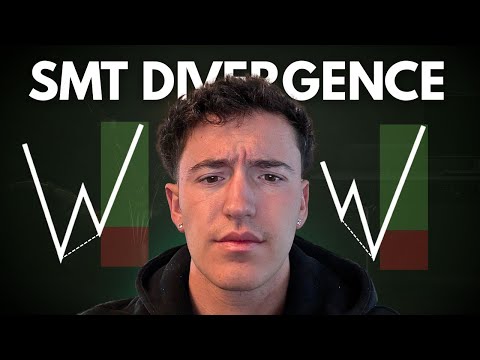
SMT Divergence
The foundation behind Pillar 03 of the Forever Model. SMT on correlated pairs (ES/NQ, ES/YM) is the cleanest tell of real market intent — it shows you which side is loading before price commits. Watch this right after Module 01 and the liquidity read lands a level deeper.
Watch on YouTube →
 Watch Now
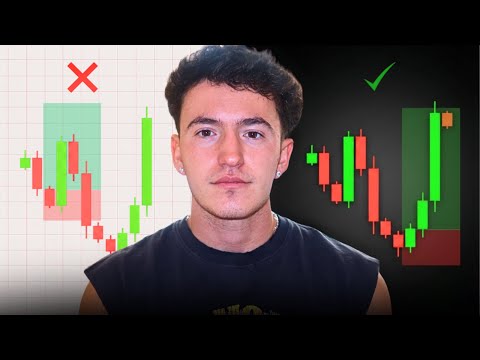
The Only Risk Management Strategy You Need
The math of position sizing, the psychology of stops, and the rule that separates traders who survive from traders who don't. The single video that does more for a beginner's longevity than any setup or signal ever will. Watch this before you take a live trade.
Watch on YouTube →
 Watch Now
Math Behind Profitability
The numbers under Module 03. Win rate alone doesn't pay — expectancy, R-multiples, and position sizing do. This breakdown explains why a 40% strategy can outperform a 70% strategy, and why the math is what keeps a trader in the seat long enough for the model to work.
Watch on YouTube →
What Futures Actually Are
The basics most beginner content skips. What a futures contract is, what NQ and ES actually represent, why prop firms exist, and what "tick" means in dollars. The vocabulary you need before any strategy makes sense.
Reading a Chart Without Indicators
Candles, timeframes, sessions, killzones. How to look at a chart and see price action — not a screen full of RSI and moving averages. The mental shift that has to happen before the Forever Model clicks.
Quarterly Theory in Plain English
The four phases of every market cycle — accumulation, manipulation, distribution, reversal. How they show up on the yearly chart and on the 1-minute chart for the exact same reason.
Your First 30 Days
A simple action plan — what to watch, what to journal, what to backtest, and what not to do. Built so a beginner can spend their first month getting reps without losing money.